
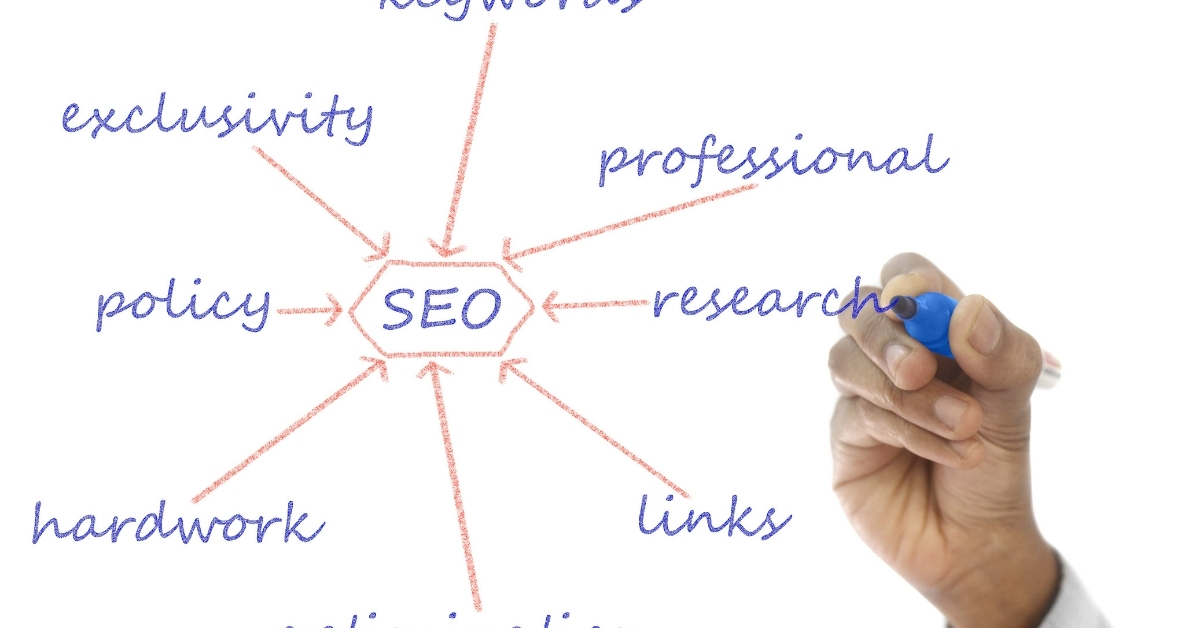
Mastering SEO: How Search Engine Optimization Works and Why Every Website Needs It
Introduction to SEO in the Modern Digital Landscape
Search Engine Optimization, widely referred to as SEO, has become one of the most essential components of online success. In an era where billions of searches are conducted daily, visibility on search engines determines whether a website thrives or remains unnoticed. SEO is not just a marketing tactic; it is a long-term strategy that aligns content with user intent and search engine requirements.
A well-optimized website benefits from consistent organic traffic, improved credibility, and better engagement. Businesses, bloggers, and professionals rely on SEO to ensure that their content reaches the right audience at the right time. Understanding how SEO works lays the foundation for building a strong and sustainable digital presence.
What is SEO and How Does It Function?
Understanding the Meaning of SEO
SEO is the process of enhancing a website’s structure, content, and authority to improve its ranking on search engine results pages. It involves optimizing various elements so that search engines can easily understand and recommend the content to users searching for related topics.
The core objective of SEO is to increase organic traffic by making a website more relevant and valuable. It combines technical improvements, high-quality content, and strategic keyword usage to achieve better rankings. SEO is not a one-time effort but an ongoing process that evolves with changing algorithms and user behavior.
The Mechanism Behind Search Engines
Search engines rely on automated systems to deliver accurate results. These systems follow three major steps:
- Crawling web pages using bots
- Indexing collected data into databases
- Ranking pages based on relevance and authority
These steps ensure that users receive the most useful information. A deeper explanation of these processes can be explored through this resource on Search Engine Optimization, which outlines how SEO aligns with search engine algorithms.
Why SEO is Crucial for Online Success
Driving High-Quality Organic Traffic
SEO plays a significant role in attracting organic traffic, which refers to visitors who find a website through unpaid search results. This type of traffic is highly valuable because it is driven by user intent. People searching for specific information are more likely to engage with relevant content.
Websites that rank higher receive a larger share of clicks. Most users rarely go beyond the first page of search results, making it essential to secure top positions. SEO helps achieve this by improving relevance and user experience.
Enhancing Brand Visibility and Authority
Appearing consistently in search results increases brand recognition and authority. Users tend to trust websites that rank higher, assuming they provide reliable information. SEO builds this trust by focusing on content quality, technical performance, and backlinks.
Authority is established over time through consistent optimization efforts. A strong SEO strategy ensures that a website becomes a trusted source within its niche, attracting repeat visitors and building long-term credibility.
Supporting Business Growth and ROI
SEO is one of the most cost-effective digital marketing strategies. Unlike paid advertising, it does not require continuous spending to maintain visibility. Once a website achieves strong rankings, it can generate traffic and leads consistently.
This makes SEO an ideal choice for businesses aiming for sustainable growth. It provides a high return on investment by delivering targeted traffic that is more likely to convert into customers.
Core Elements of SEO Strategy
On-Page SEO Techniques
On-page SEO focuses on optimizing individual pages to improve their relevance and readability. It includes elements such as:
- Proper use of keywords in headings and content
- Optimized title tags and meta descriptions
- Structured headings using H1, H2, and H3 tags
- Internal linking for better navigation
These techniques help search engines understand the content while ensuring that users find it easy to read and navigate.
Off-Page SEO and Authority Building
Off-page SEO involves actions taken outside the website to improve its reputation. The most important factor in off-page SEO is acquiring backlinks from authoritative websites. These links act as endorsements, signaling trust and relevance.
Other off-page strategies include social media engagement, brand mentions, and influencer collaborations. Together, these efforts strengthen a website’s authority and improve its ranking potential.
Technical SEO Essentials
Technical SEO ensures that a website is accessible and efficient for both users and search engines. It includes optimizing:
- Website loading speed
- Mobile responsiveness
- Secure connections
- XML sitemaps and structured data
A technically sound website allows search engines to crawl and index content effectively, improving overall performance.
Keyword Research: The Backbone of SEO
Importance of Selecting the Right Keywords
Keywords are the foundation of SEO. They represent the terms users enter into search engines when looking for information. Choosing the right keywords ensures that content matches user intent and reaches the target audience.

Effective keyword selection involves understanding search volume, competition, and relevance. Long-tail keywords are particularly useful because they are more specific and often easier to rank for.
Methods for Effective Keyword Research
Keyword research can be conducted using various techniques and tools. Some of the most effective methods include:
- Analyzing competitor websites
- Using keyword suggestion tools
- Exploring related search queries
- Identifying user intent behind searches
These methods help uncover valuable opportunities to create targeted and relevant content.
Creating SEO-Optimized Content
Importance of High-Quality Content
Content is the central pillar of SEO. High-quality content provides value, answers questions, and engages readers. It should be informative, well-structured, and aligned with user intent.
Search engines prioritize content that demonstrates expertise and relevance. By consistently producing valuable content, websites can improve their rankings and attract a loyal audience.
Structuring Content for Readability
Proper content structure enhances readability and user experience. This includes using clear headings, short paragraphs, and logical flow. Each section should focus on a specific topic, making it easy for readers to follow.
Readable content reduces bounce rates and increases engagement, which positively impacts SEO performance.
Natural Integration of Keywords
Keywords should be integrated naturally into the content. Overusing them can harm readability and lead to penalties. Instead, they should be placed strategically in headings, subheadings, and body text.
Using related terms and synonyms improves semantic SEO. This helps search engines understand the context and relevance of the content.
Link Building Strategies for SEO Success
Understanding the Value of Backlinks
Backlinks are a crucial ranking factor in SEO. They indicate that other websites consider the content valuable and trustworthy. High-quality backlinks can significantly improve a website’s authority and visibility.
However, quality matters more than quantity. Links from reputable and relevant websites carry more weight than numerous low-quality links.
Effective Link Building Techniques
Building backlinks requires a strategic approach. Some proven techniques include:
- Publishing valuable and shareable content
- Writing guest posts for authoritative sites
- Conducting outreach campaigns
- Creating data-driven resources
These strategies help earn high-quality backlinks and strengthen a website’s SEO performance.
Technical SEO Best Practices for Optimization
Enhancing Website Performance
Website performance plays a vital role in SEO. Fast-loading pages provide a better user experience and reduce bounce rates. Optimizing images, minimizing code, and using caching techniques can improve speed.
Search engines favor websites that load quickly, making performance optimization essential for higher rankings.
Ensuring Mobile Compatibility
With the increasing use of smartphones, mobile optimization is more important than ever. Websites must be responsive and adapt to different screen sizes. Mobile-friendly websites provide a seamless experience for users.
Search engines prioritize mobile versions of websites, making mobile optimization a key factor in SEO success.
Improving Site Structure and Navigation
A clear and organized site structure helps users and search engines navigate content easily. Proper internal linking and logical hierarchy improve accessibility and indexing.
An optimized structure enhances user experience and ensures that important pages are easily discoverable.
Advantages of SEO for Long-Term Growth

Sustainable Traffic Generation
SEO provides a steady stream of organic traffic over time. Unlike paid campaigns, the results are long-lasting and do not require constant investment. This makes SEO a reliable strategy for sustainable growth.
Websites that maintain strong SEO practices can continue to attract visitors and generate leads consistently.
Building Trust and Credibility
SEO helps establish trust by improving content quality and user experience. Websites that rank higher are perceived as more reliable, which increases user confidence.
Credibility plays a crucial role in online success, influencing user behavior and decision-making.
Higher Engagement and Conversion Rates
SEO targets users who are actively searching for information or solutions. This increases engagement and improves conversion rates. By aligning content with user intent, websites can guide visitors toward desired actions.
Optimized content and user experience contribute to better results and overall success.
Common SEO Mistakes That Should Be Avoided
Overuse of Keywords
Keyword stuffing can harm both readability and rankings. It is important to use keywords naturally and focus on providing value to users. Search engines prioritize quality over excessive keyword usage.
Neglecting Technical Optimization
Ignoring technical SEO can limit a website’s performance. Issues such as slow speed, broken links, and poor mobile experience can negatively impact rankings.
Addressing these issues ensures that the website performs efficiently and ranks well.
Publishing Low-Value Content
Low-quality content fails to engage users and can harm credibility. It is essential to focus on originality, relevance, and value. High-quality content is key to achieving SEO success.
Emerging Trends in SEO
Voice Search and Conversational Queries
Voice search is transforming how users interact with search engines. Optimizing for conversational queries involves using natural language and focusing on question-based keywords.
This trend requires adapting content strategies to match changing user behavior.
Artificial Intelligence and Search Algorithms
Artificial intelligence is playing a growing role in search engine algorithms. It helps deliver more accurate and personalized results. Understanding AI-driven changes is essential for staying competitive.
Websites must focus on user experience and relevance to align with these advancements.
Emphasis on User Intent and Experience
Search engines are increasingly prioritizing user intent. Content must address the specific needs and expectations of users. Providing relevant and valuable information ensures better rankings and engagement.
Focusing on user experience is crucial for long-term SEO success.
Conclusion
SEO is a powerful and dynamic strategy that drives visibility, traffic, and growth in the digital world. By understanding what SEO is and why it is important, individuals and businesses can leverage it effectively to achieve their goals.
From keyword research to technical optimization, every aspect of SEO contributes to a website’s performance. By implementing best practices and staying updated with trends, websites can build a strong online presence and maintain a competitive edge.

Leave a Reply